Best from the buying desk
The Sneaker Find I Skip When It Duplicates the Haul
A low price does not automatically earn a sneaker a place in a small haul. Check whether it adds a real role or merely repeats a pair already doing the same job.
The easiest sneaker to add to a small haul is often the one you do not need. It is priced well, it looks wearable, and it resembles a pair you already chose closely enough that the decision feels safe. That last part is exactly why I pause.
Cheap duplication still takes up shipping space.
Ask what would change if the pair disappeared
I use one blunt question: if this listing vanished tonight, would the haul lose a real job? A black low-top may be useful if it is the only everyday pair in the cart. It is usually not useful if there is already another black low-top with the same use, similar price, and better photos.
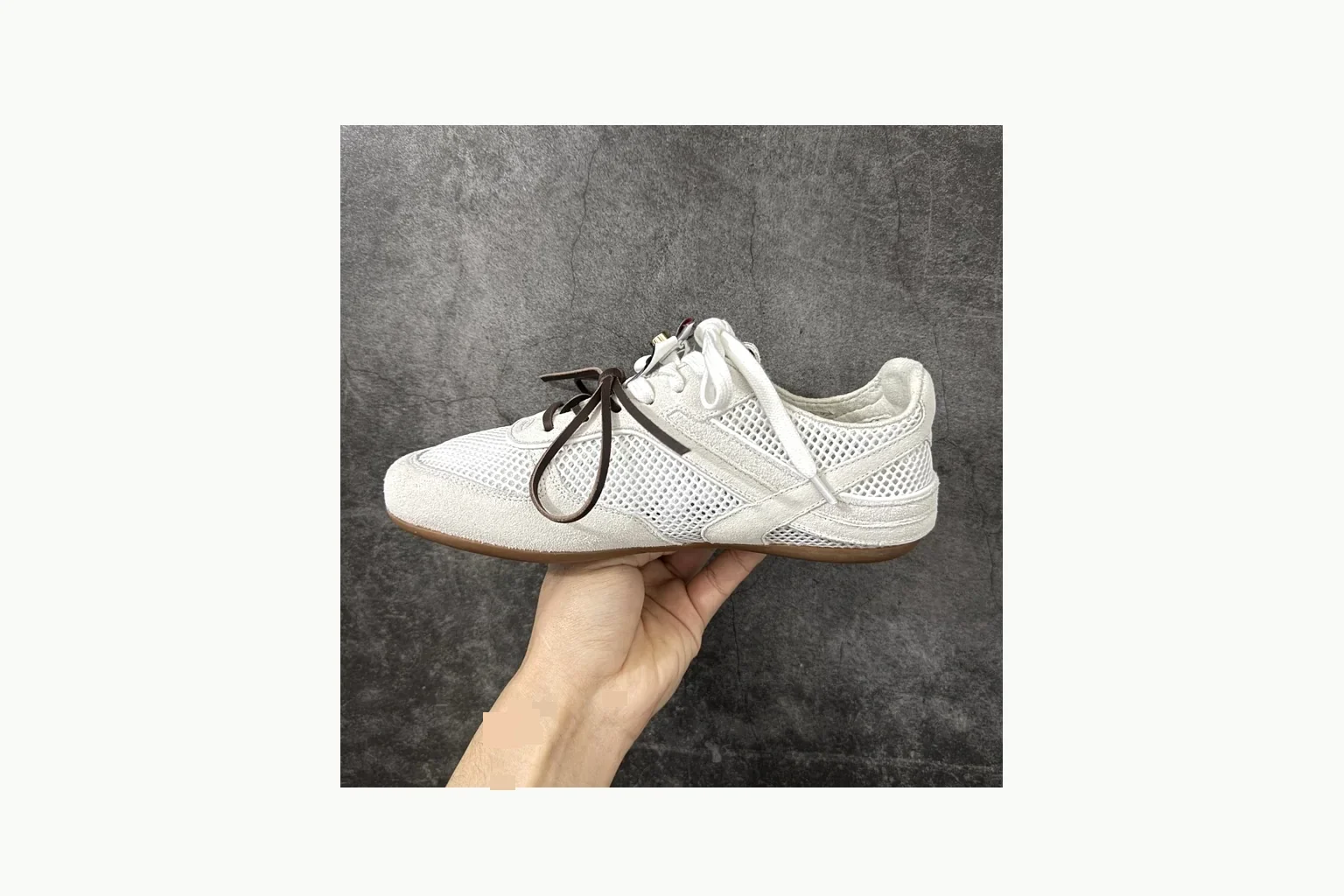
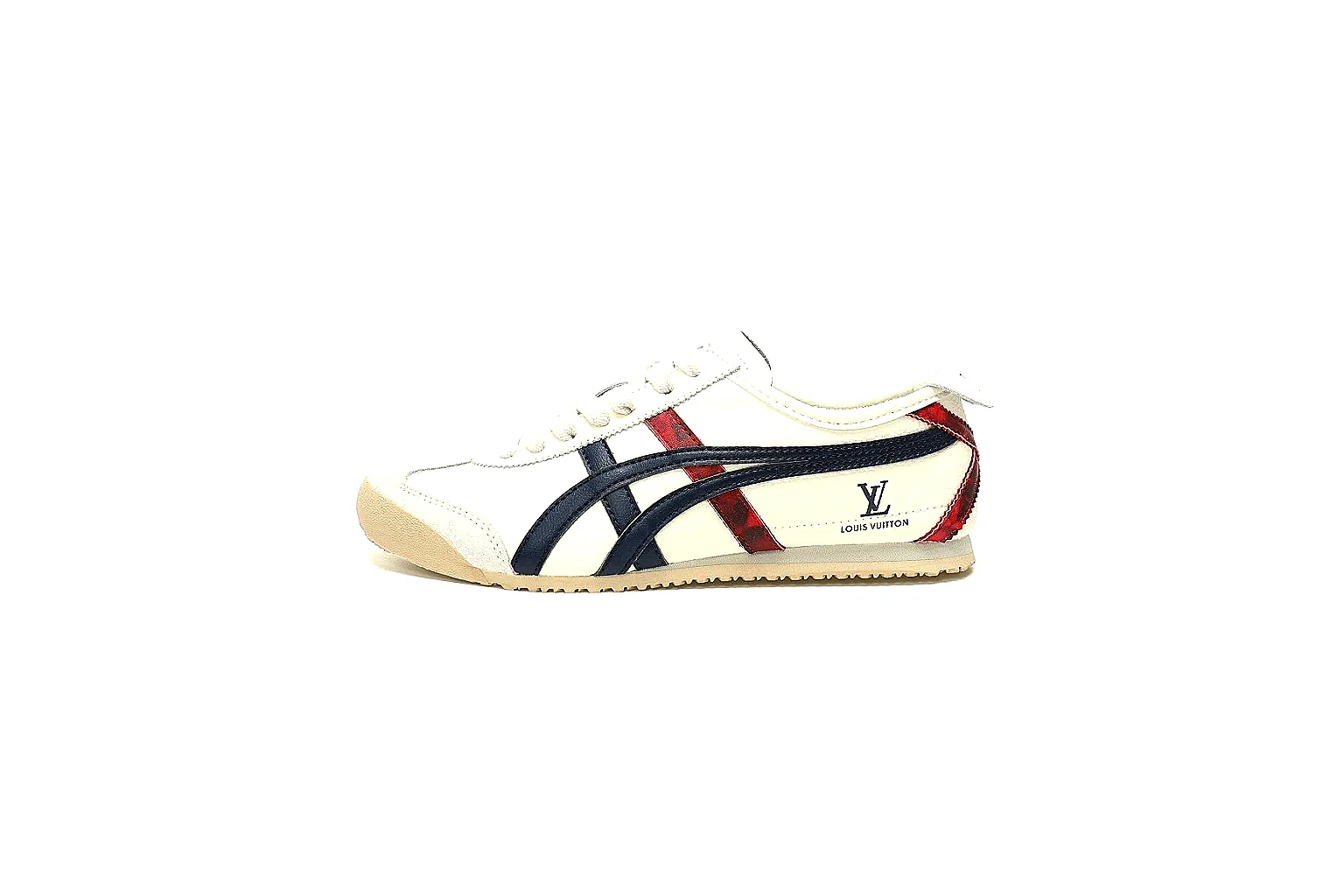
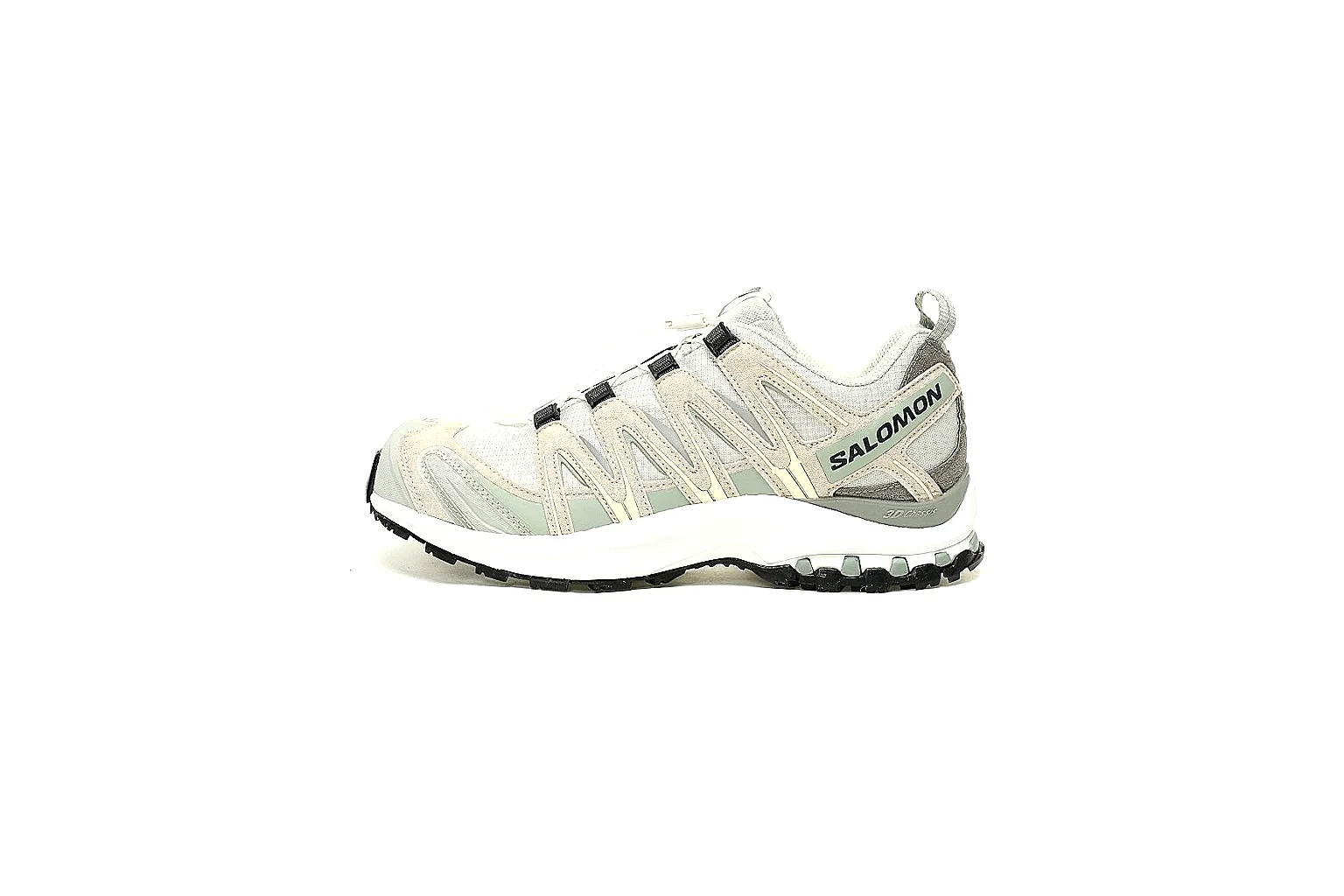
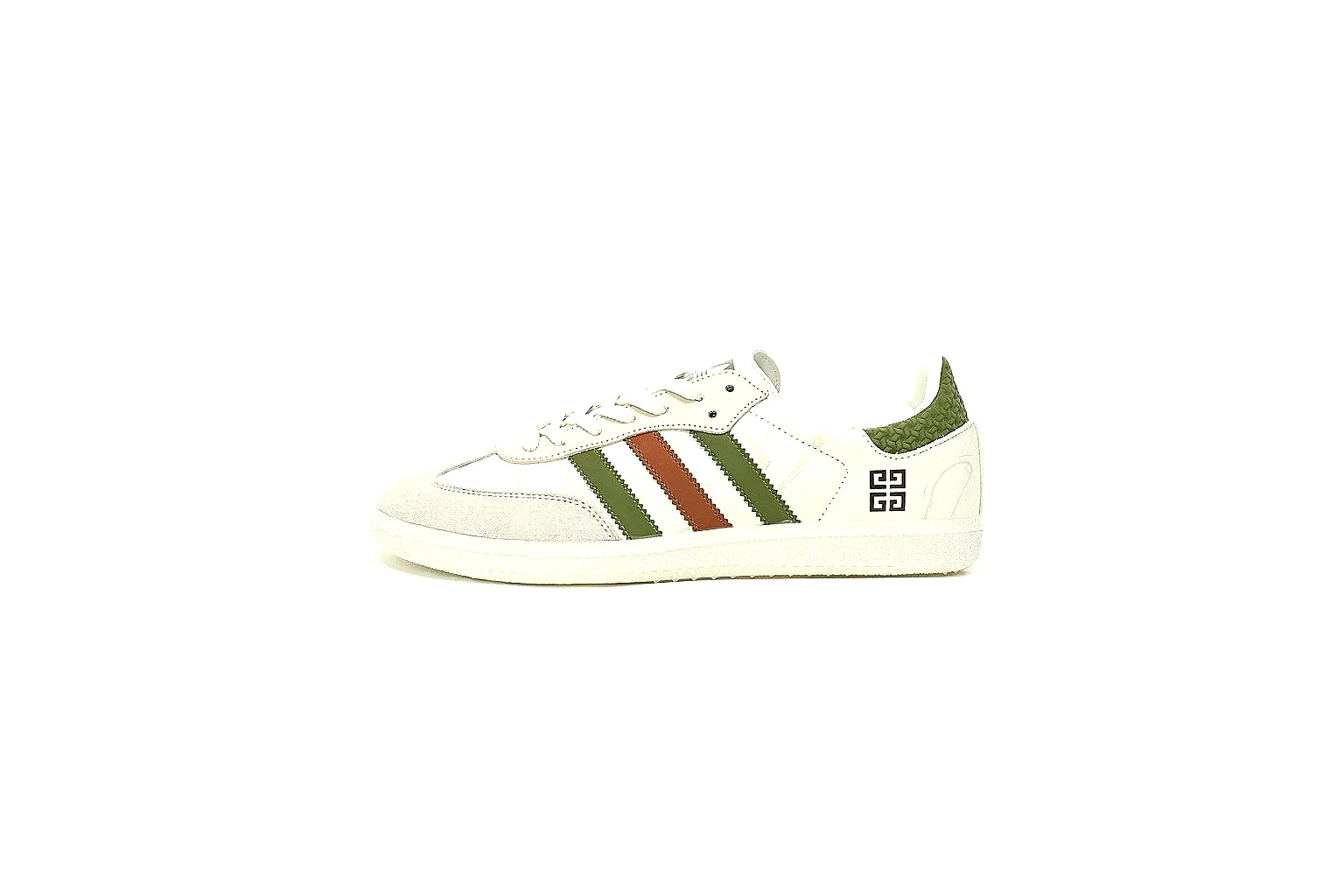
This is not an argument for building a perfect collection in one parcel. It is a way to stop a familiar silhouette from disguising itself as value. I look at the current small-haul picks and write the role beside each pair: daily neutral, weather pair, lighter runner, or the one I am testing for fit.
Difference has to survive checkout
A different color is not always a different role. A slightly lower price is not always a reason to carry both. The second pair earns its place when it changes something practical: it works with a different season, covers a size backup, has a material I would actually wear differently, or replaces a riskier option.
If the only answer is “I like both,” I leave the newer one saved rather than calling it a current need. That is not a loss. It keeps the haul readable enough to notice the pair that really does solve a gap.
Choose the missing role, not the next attractive tab
When I remove a duplicate, I do not immediately fill the space. I check the wider sneaker list with a specific gap in mind. Maybe the haul lacks a pair with clearer sizing evidence. Maybe it has no option I would wear in wet weather. Maybe it is simply finished.
A small haul does not need more choices to feel complete. It needs fewer pairs doing the same work for different reasons.